2026 featured speakers

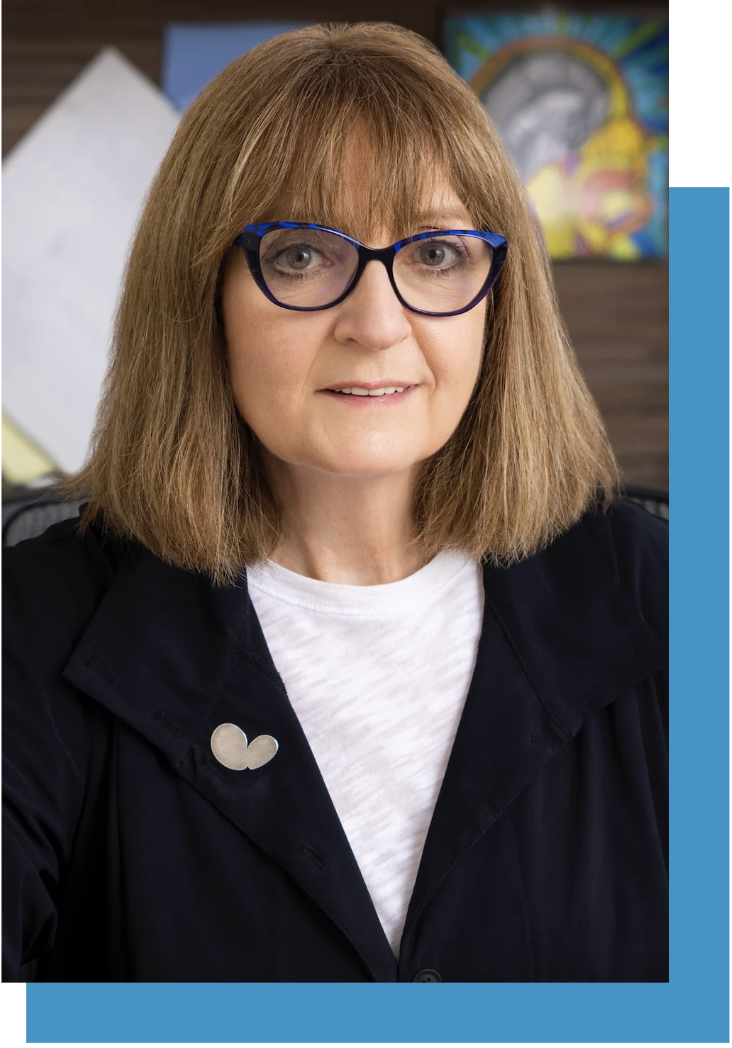
Helen Mayberg, MD
Director, Nash Family Center for Advanced Circuit Therapeutics
Icahn School of Medicine at Mount Sinai
Helen Mayberg, MD, is a renowned neurologist and pioneer in deep brain stimulation (DBS) research, currently serving as the Director of the Nash Family Center for Advanced Circuit Therapeutics at Mount Sinai. She is globally recognized for her revolutionary work mapping the neural circuitry of depression, specifically identifying Area 25 (the subcallosal cingulate) as a critical modulator of negative mood. Her seminal research demonstrated that targeted electrical stimulation of this brain region could effectively interrupt treatment-resistant depression, offering a lifeline to patients who had exhausted all other therapeutic options. A member of both the National Academy of Medicine and the National Academy of Sciences, Dr. Mayberg continues to advance the field of functional neuroimaging and personalized neuromodulation to treat complex neuropsychiatric disorders.
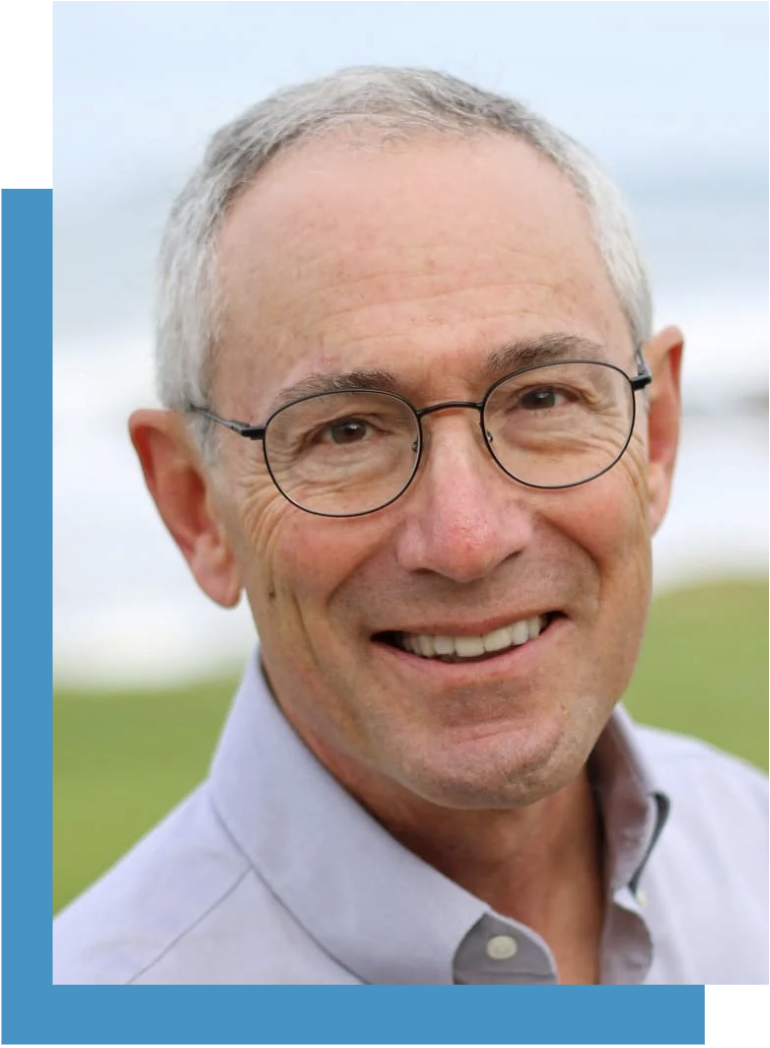
Tom Insel, MD
Co-Founder, Benchmark Health and Vanna Health
Stanford University
Tom lnsel, M.D., a psychiatrist and neuroscientist, has been a national leader in mental health research, policy, and technology. From 2002-2015, Dr. Insel served as Director of the National Institute of Mental Health (NIMH). More recently, he led the Mental Health Team at Verily (2015-2017) and since 2017 has co-founded five mental health start-ups (Mindstrong Health, Humanest Care, NeuraWell Therapeutics, Vanna Health, Benchmark Health). He currently serves on the boards of Fountain House and the Peterson Health Technology Institute as well as being an advisor to several mental health start-ups. He is the author of Healing: Our Path from Mental Illness to Mental Health (Penguin Random House, 2022). Dr. Insel is a member of the National Academy of Medicine and has received numerous national and international awards including honorary degrees in the U.S. and Europe. More info at www.thomasinselmd.com.
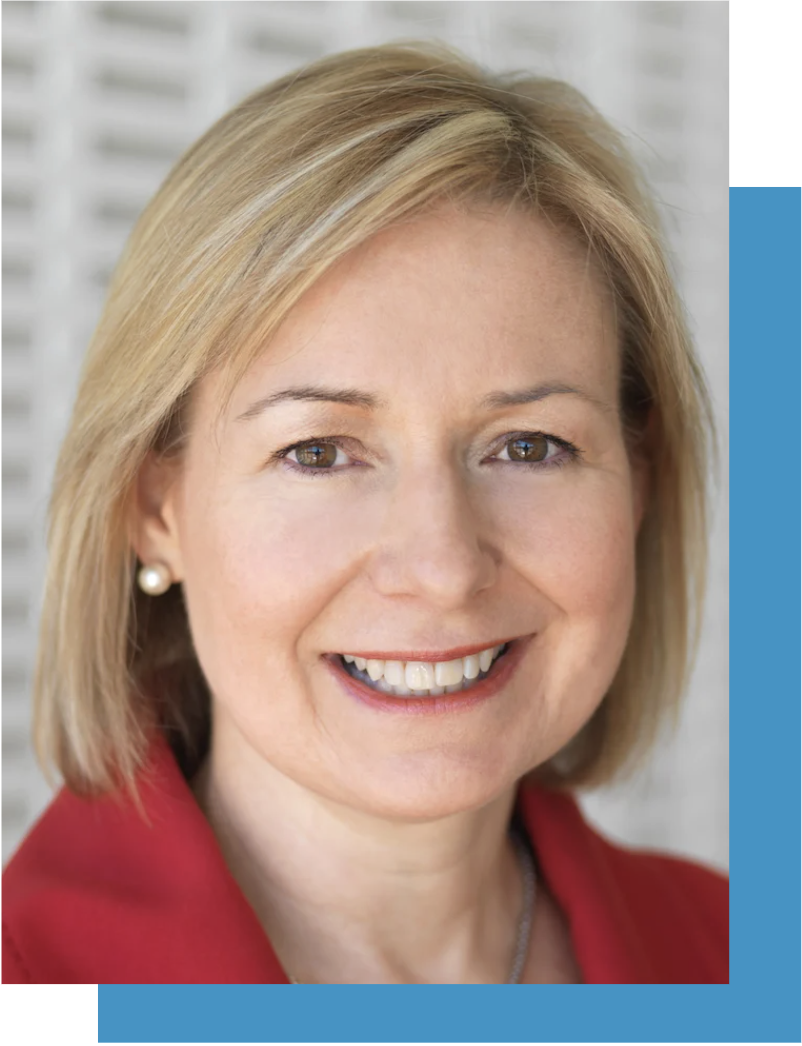
Rosalind Picard, ScD
Grover M. Hermann Professor in Health Sciences and Technology MIT Media Lab
MIT Media Lab
Rosalind Picard, ScD, is a pioneer in the field of digital health and the Grover M. Hermann Professor in Health Sciences and Technology at the MIT Media Lab, where she serves as the director of Affective Computing research. Renowned for her groundbreaking 1997 book Affective Computing, she effectively launched the field of computer science focused on expanding human emotion communication and artificial emotional intelligence. Her innovative research developing wearable sensors capable of measuring autonomic nervous system signals led to her co-founding the successful MIT spin-offs Affectiva and Empatica. An elected member of the National Academy of Engineering, Dr. Picard’s work bridges the gap between engineering, neuroscience, and clinical psychiatry to create technologies that improve autonomic health and now provide hundreds of other validated biomarkers related to sleep, seizures, and tremors, with active research underway for depression and pain. Dr. Picard was the recipient of the 2022 International Lombardy Prize for Computer Science Research, which is described by many as the “Nobel prize in computer science” and of the 2026 IEEE Medal for Innovations in Healthcare Technology.
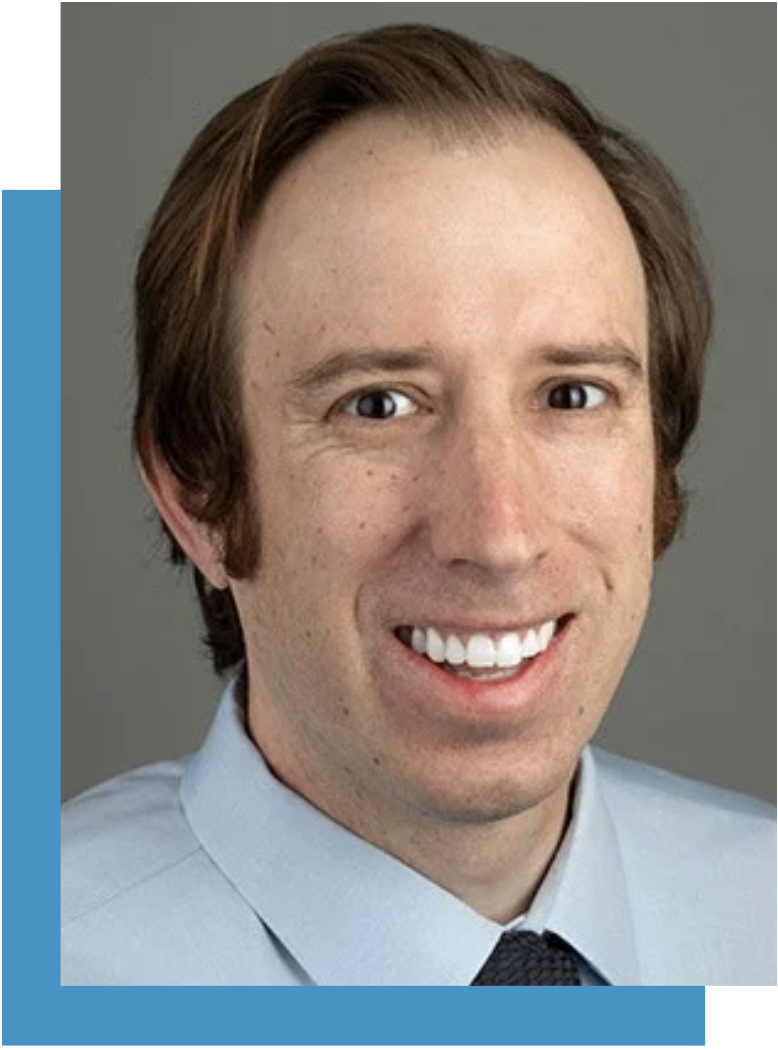
John Torous, MD, MBI
Director of the Digital Psychiatry Division
Beth Israel Deaconess Medical Center
John Torous, MD, MBI, is a leading psychiatrist, clinical informatician, and the Director of the Digital Psychiatry Division at Beth Israel Deaconess Medical Center, a Harvard Medical School teaching hospital. He is internationally recognized for his pioneering research in digital phenotyping, using passive smartphone sensor data and active surveys to understand and predict changes in mental health. Dr. Torous leads the development of MINDLAMP, an open-source clinical research platform designed to safely integrate smartphone technology into neuropsychiatric care and research. In addition to his clinical and research roles, he serves as an editor for JMIR Mental Health and chairs the American Psychiatric Association’s Health Information Technology Committee, advocating for evidence-based standards and evaluation frameworks for mental health apps.
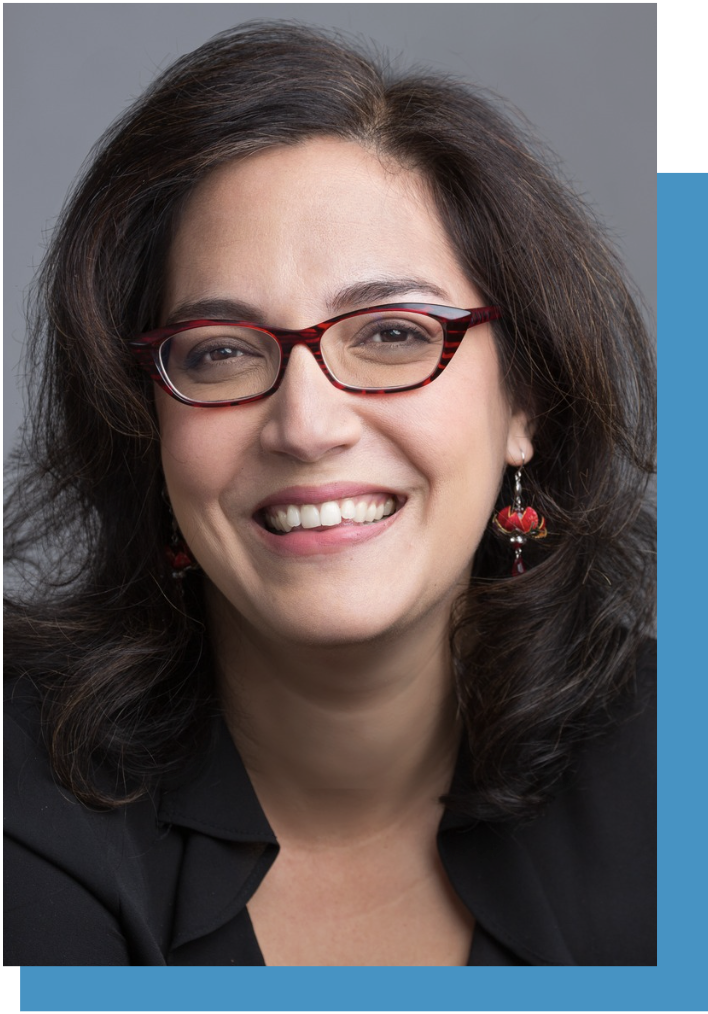
Laura Germine, PhD
Chief, Division of Brain and Cognitive Health Technology
Albert Einstein College of Medicine
Laura Germine, PhD, is Professor and Chief of the Division of Brain and Cognitive Health Technology at Albert Einstein College of Medicine. A pioneer in digital neuropsychology, Dr. Germine previously established the Laboratory for Brain and Cognitive Health Technology at McLean Hospital and served as the Technical Director of the Institute for Technology in Psychiatry. She is the creator of TestMyBrain, a digital cognitive assessment platform that has engaged 4 million participants worldwide across over 2000 research studies, and President of the nonprofit software company, the Many Brains Project. Her research focuses on leveraging digital health technologies, mobile platforms, and dynamic cognitive phenotyping to better understand and predict mental health outcomes. She also is MPI of the NIH Open Measurement Network Initiative for AD/ADRD, a national network for midlife cognitive monitoring in primary prevention trials. Dr. Germine received her BA from UC Berkeley and her PhD in experimental psychopathology from Harvard University.
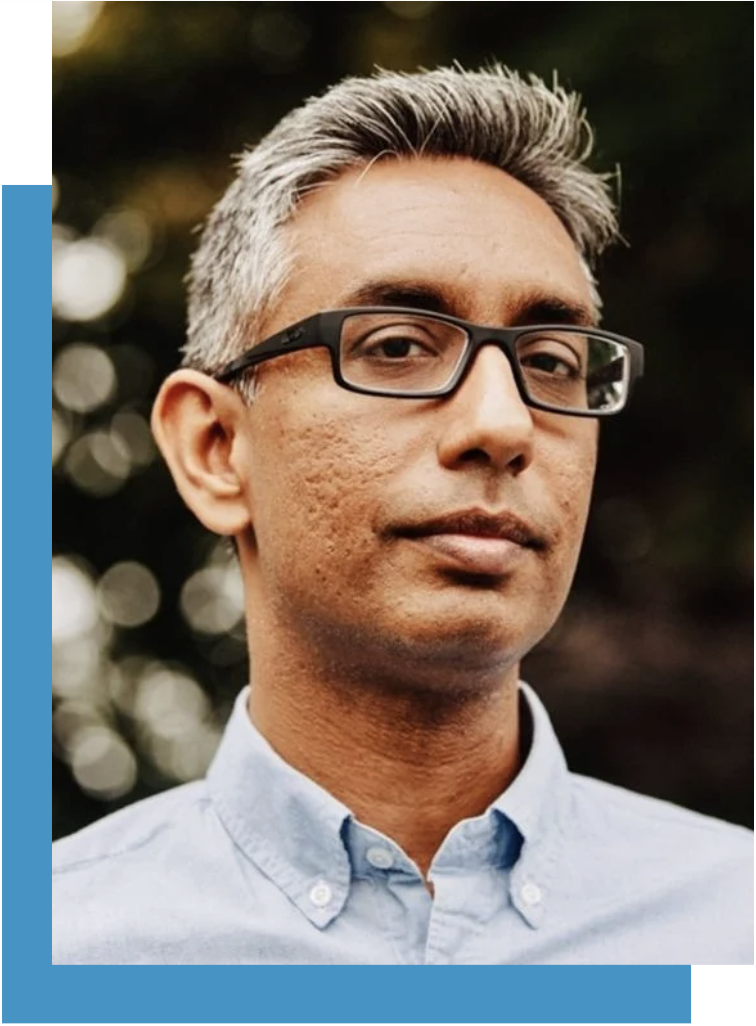
Shyamal Patel, PhD
Senior Vice President of Science
Ōura
Shyamal Patel, PhD, is Oura’s SVP of Science, where he leads an interdisciplinary organization focused on research and development of algorithms that translate sensor data into accurate measures of health and wellbeing. He is passionate about building digital health solutions that enable the transformation of healthcare from a largely subjective, episodic, and reactive model to become more objective, continuous, and proactive. Before Oura, Dr. Patel led data science teams in several startups and, most recently at Pfizer where his work was focused on development, validation, and deployment of new digital endpoints across multiple therapeutic areas in regulated clinical trials. Dr. Patel has a PhD in electrical engineering with a specialization in signal processing and applied machine learning from Northeastern University. He completed his post-doctoral research at Harvard University.
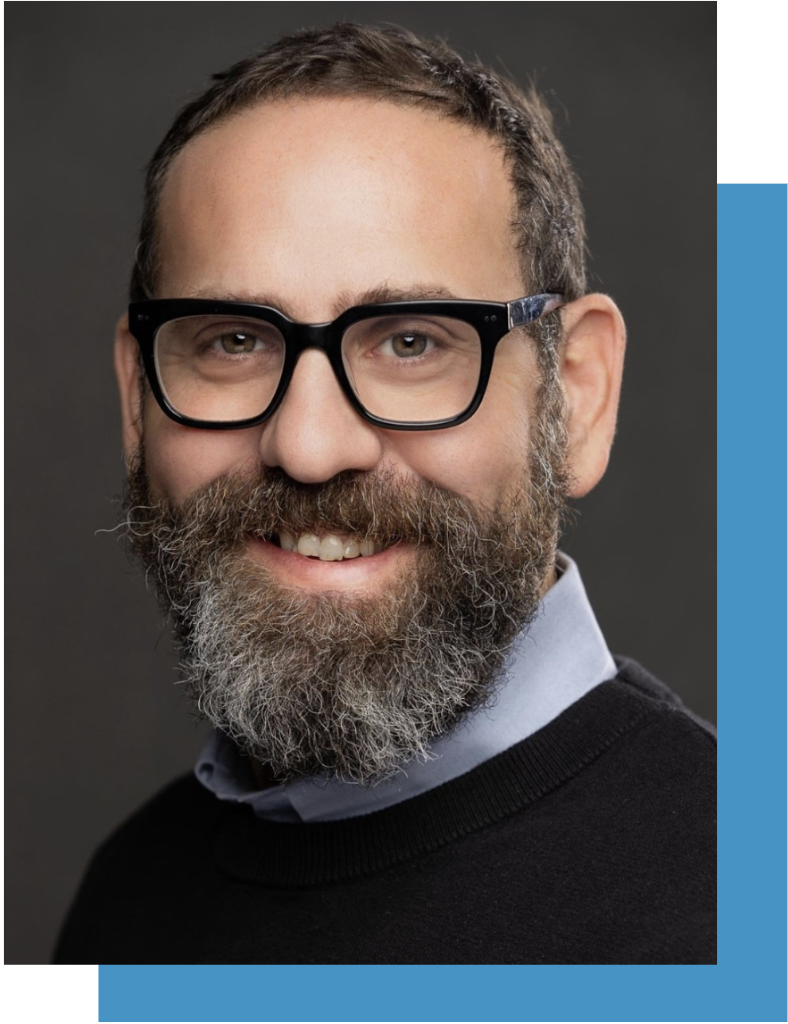
Isaac Galatzer-Levy, PhD
Senior Staff Research Scientist
Google DeepMind
Isaac Galatzer-Levy, PhD, is a clinical psychologist and Senior Staff Research Scientist at Google, where he develops AI-driven tools to transform mental-health assessment and care. He also serves as an Adjunct Assistant Professor of Psychiatry at NYU Grossman School of Medicine. His research focuses on trauma, resilience, and the use of machine learning and digital biomarkers to predict mental-health outcomes. Dr. Galatzer-Levy has authored more than 100 peer-reviewed publications and is a leading voice in computational mental health. His work bridges clinical science and technology to build scalable, personalized approaches to mental-health support.
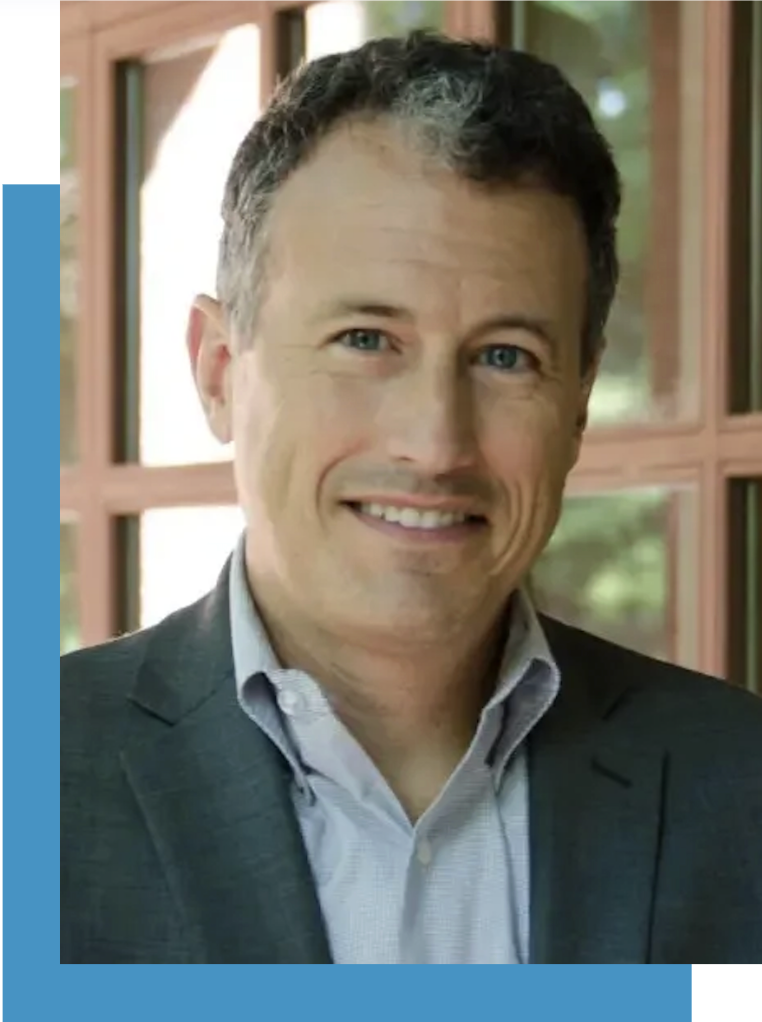
Roy Perlis, MD, MSc
Editor-in-Chief
JAMA+ AI
Roy Perlis, MD, MSc, serves as the Editor in Chief of JAMA+ AI, overseeing the publication of cutting-edge research evaluating the clinical implementation of artificial intelligence in medicine. He is also a prominent psychiatrist and researcher serving as the Director of the Center for Quantitative Health and Associate Chief for Research in the Department of Psychiatry at Massachusetts General Hospital. A Professor of Psychiatry at Harvard Medical School, his pioneering research applies artificial intelligence, machine learning, and patient-derived cellular models to identify predictors of treatment response in brain diseases like bipolar disorder and major depressive disorder. Dr. Perlis is globally recognized for co-leading the team that identified the first genetic variation associated with major depression and for developing the MGH NeuroBank, a massive cellular biobank linking genomic data to electronic health records.